Tuesday, 28 July 2015

Savic brochure

A brochure of best practices (in English  language), containing the most relevant aspects of the volunteers exchange and how sending and hosting organizations used the senior volunteers’ knowledge, skills and life experiences in the adult education process. Also it can be   a user guide useful to other associations .
Click the picture to read the brochure as e-magazine.

Monday, 27 July 2015

Creation of e-portfolio

E-portfolio
The Italian volunteers from TRAINING2000 created their e-portfolio with platform http://foliofor.me/ 
You can click the link E-portfolio Italian seniors SAVIC to see their work.

Also the Greek volunteers  from OIKO.POLI.S used the platform https://www.joomag.com/
Here and here and here and here  and here and here you can find the  e-portfolios of Greeks .


Sustainability of the cooperation between OIKO.POLI.S and TRAINING2000

Members of TRAINING 2000, Elmo De Angelis and Rosella Giovagnoli,  have  continued the SAVIC experience in attending other workshop under the program called "Environmental education for trainers and adults"  which organised by OIKO.POLI.S 1-8 July 2015 in Athens (Erasmus+, KA1).

PROGRAMME      1st   JULY-8th  JULY

 1st Day : Wednesday Travelling day.

 2nd Day : Thursday Place : OIKO.POLI.S – Antheon 72 , Chaidari
TRAINERS: Sofia Dimitriou -Thodoris Orinos -Dinou Ioanna- Eleni Niarchou

9.00-10.30  Sofia Dimitriou
Workshop with ice breaking activities.
Welcome, Registration, course documents. Introduction and practicalities. Course overview and course objectives .
 “Great Expectations: Flying towards and landing at the end of a successful course”: Each participant talks about their own expectations of the course.
Consolidating the group. Team building .Getting to know each other.
10.30-11.00   Coffee Break
11.00-12.30 Thodoris Orinos
Presentation-Discussion  Knowledge and definition of sustainability
12.30-13.30 Light lunch by OIKOPOLIS
13.30-15.30  Eleni Niarchou – Ioanna Dinou
Workshop – The active citizen
15.30-16.00

Saturday, 28 March 2015

Savic members read poems from Greek poetess- World poetry day

World Poetry Day is a time to appreciate and support poets and poetry around the world. It is held on March 21 each year and is an initiative of the United Nations Educational, Scientific, and Cultural Organization (UNESCO).In November 1999, UNESCO designated World Poetry Day to be held on March 21 each year.  The organization recognized the important role of poetry in the arts and in cultures throughout the world and over time. It also wanted the day to promote the efforts of small publishers with regard to publishing poetry. The day also focused on promoting a return to the oral tradition of poetry recitals, as well as strengthening the association between poetry and other forms of expression, such as dance, music, and painting. The first World Poetry Day was held on March 21, 2000.
The initiative launched by Greece, in 1997, when the Greek poet Michael Matrix, proposed to the Company Writers to adopt the celebration of poetry in Greece, as in other countries, to set specific day for this. Author Vassilis Vassilikos, Ambassador of Greece to UNESCO, recommended to the Executive Council of the organization in 1999, the March 21 be declared World Poetry Day. The French, the Italians, the Tunisians and other ambassadors from Mediterranean countries supported the proposal and the Greek proposal was passed , entrusting to Greece to organize the first international celebration.
Click here to read the  e-magazine from this day in Greece.
Savic members read poems from Greek poetess in 22 of March.They have worked hard for a lot days to present this special ceremony to people of Chaidari.

Tuesday, 6 January 2015

Mediterranean diet by Xristiana Vlachaki

You don't need a silver fork to eat good food.


It is widely known that Mediterranean diet is the healthiest of all. An analysis of more than 1.5 million healthy adults demonstrated that following a Mediterranean diet was associated with a reduced risk of death from heart disease and cancer, as well as a reduced incidence of Parkinson's and Alzheimer's diseases. Mediterranean diet is based on the dietary traditions of Crete, Greece and southern Italy around 1960.At that time  these populations were  relatively poor and had limited access to medical health, but their life expectancy was among the highest in the world.  But how and why the diet of the “poor” can be so helpful?
  
Types of food

Daily consumption of: bread, bulgur or pasta or couscous or rice, nuts, legumes(beans or peas), vegetables, fruit, nuts, olive oil, olives, cheese or yoghurt and wine. 
A few times per week consumption of: fish, poultry, potatoes, eggs, honey or fruit or nuts based sweets.
Monthly consumption of: red meat

Is that all? It sounds easy, but is it?

 Food quality

Monday, 10 November 2014

Six Italian from Training2000 in Greece

3 weeks with common actions in Greece-24/8-13/9

«Seniors as volunteers in communities  (SAVIC)» is European project under Grundtvig-Senior which OIKOPOLIS is responsible for, for the period  1.1.2013-30.8.2015.
This project takes place in cooperation with the Italian organization Training 2000.
SAVIC is aiming at international communication, giving to adults the opportunity to participate in and be an important part of their local community through volunteering.
From August 24th until September 13th - for 21 sequent days – 6 Italians visited Greece and participated in projects organized from OIKOPOLIS members for them.
During the 1st week they stayed at Akrata (Ahaia region) and visited lake Tsivlou, participating in outdoor activities organized in collaboration with the local  Environmental education center.
They helped in harvesting Corinthian raisins at Kalamias village with great enthusiasm. This gave them the chance to come in touch with locals and learn about  their cultivation methods. Furthermore, they participated in in a panel with experts  on problems such as Corinthians's erosion.
They visited a local winery and talked with more locals about Mediterranean diet while cooking together Italian and Greek recipes. After lunch Greek and Italian music was a great excuse to dance and relax.

The next couple of weeks more  activities were organized mostly in Athens with great enthusiasm and participation from OIKOPOLIS members.

Saturday, 8 November 2014

The last day- October 21st

To conclude, dinner all together, Greek and Italian , in Lamoli and delivery of attendance certificates in nice atmosphere.


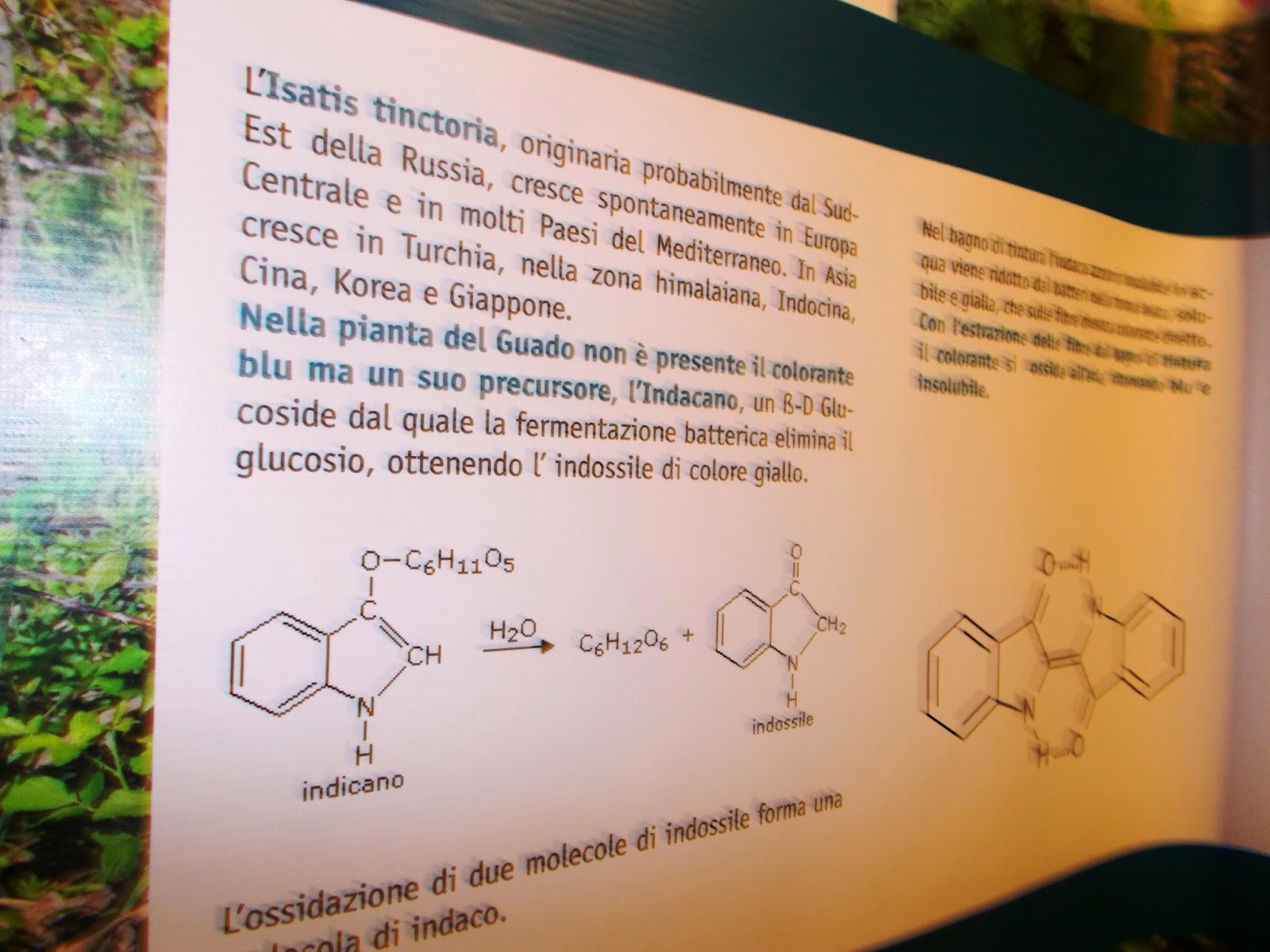
Day 20th of October - Visit to Monastery of Lamoli and the Museum of Colours.


Visit Urbino


October 18th
Urbino  is a walled city in the Marche region of Italy, south-west of Pesaro, a World Heritage Site notable for a remarkable historical legacy of independent Renaissance culture, especially under the patronage of Federico da Montefeltro, duke of Urbino from 1444 to 1482. The town, nestled on a high sloping hillside, retains much of its picturesque medieval aspect, only slightly marred by the large car parks below the town. It hosts the University of Urbino, founded in 1506, and is the seat of the Archbishop of Urbino. Its best-known architectural piece is the Palazzo Ducale, rebuilt by Luciano Laurana.  Urbino experienced a great cultural flowering in the 15th century, attracting artists and scholars from all over Italy and beyond, and influencing cultural developments elsewhere in Europe. Owing to its economic and cultural stagnation from the 16th century onwards, it has preserved its Renaissance appearance to a remarkable extent.


Participation to the the truffle festival

1. Museum with traditional occupations


2. Truffle festival
Sant`Angelo in Vado “celebrates” the White truffle, symbol and pride of this land, every year.


Visit to Urbania ceramic centers

October 17th.-Workshop - ceramic work in Sant' Angelo in Vado. 
Volunteers teach others women to make ceramic...They explain how to convert the clay into ceramic


Workshop with folklore dances

Folklore dances- Italian teach Greek seniors. Perfect communication!!! Italian were good teachers and Greek were good students. Perfect combination!


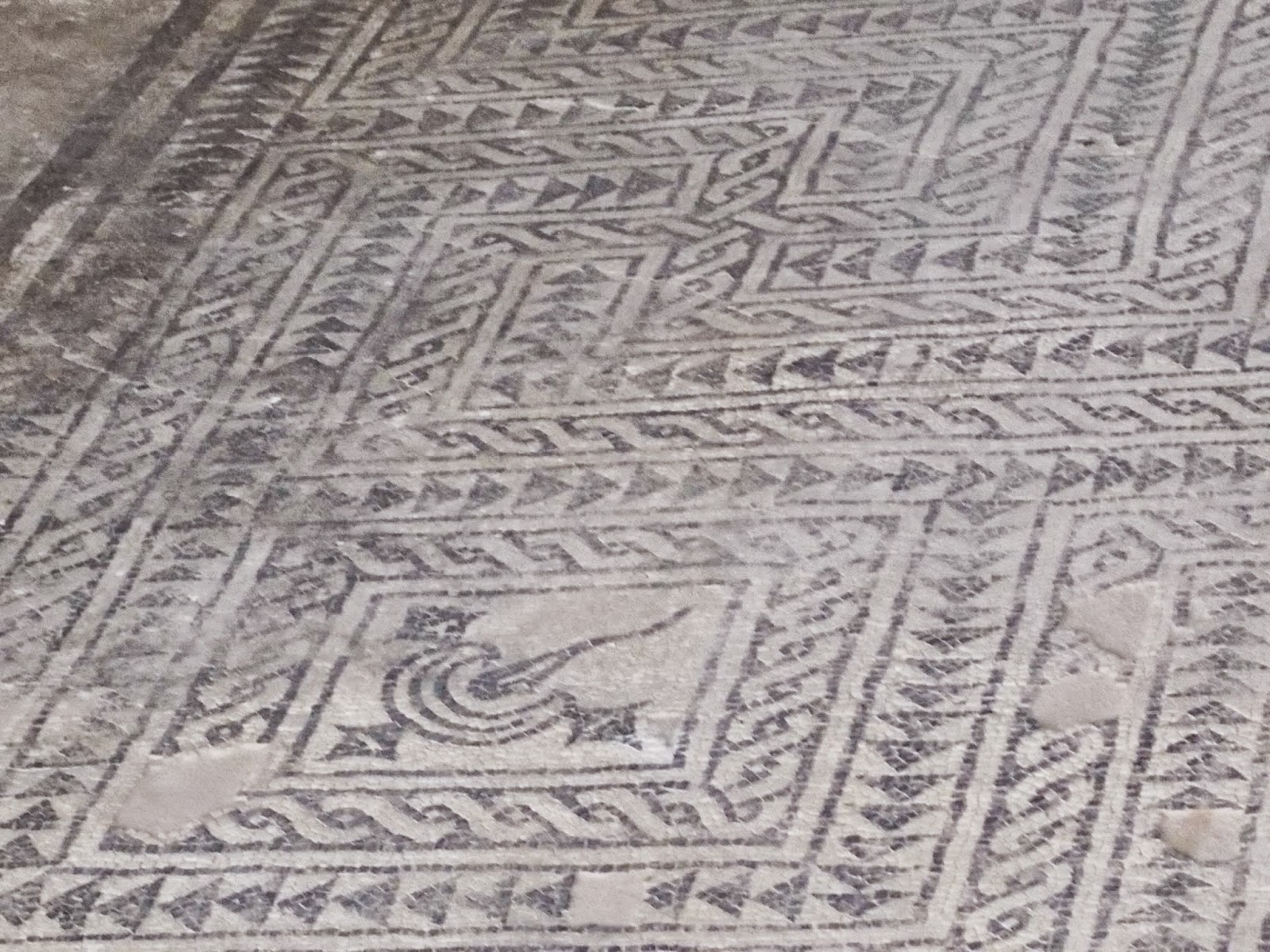
Visit to DOMUS Romana and Historical sites

Massimo was the special guide. He explained to Greek everything and he made a connection between Greek and Roman culture. Also he explained to Greek seniors how the Italian culture has influence from Greek culture.